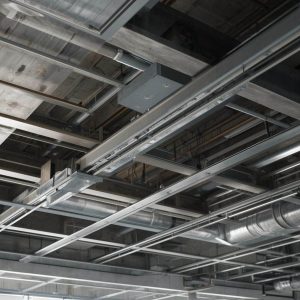
No matter the damage, clarity comes first.

Different types of property damage create different claim challenges. Choose your claim type below to see what’s commonly missed.

Public insurance adjusters like Vector Claim Solutions independently document the loss, interpret the policy, and help property owners understand whether a claim settlement reflects the real scope of damage.

Before you accept a claim settlement

1

Clarify what’s actually damaged

Look beyond the obvious to understand the full extent of the loss.

2

Translate damage into policy coverage

Connect physical damage to how the policy responds.

3

Identify where the first estimate fell short

Catch missed items, incorrect measurements, or vague scope notes.

4

Evaluate whether the payout matches the work required

Compare the settlement to what proper repairs actually require.

5

Know the right next step before you commit

Understand your options before accepting or moving forward.

How Your Situation Fits the Common Patterns

Most property owners assume their claim issues are unique. They’re not. When documentation or interpretation is incomplete, the same problems appear across thousands of claims.

Seeing these patterns isn’t a sign your claim is out of the ordinary. It’s a sign the claim needs a closer, more complete look.

How to Speak Insurance: Hire a Translator

Most property owners are handed policies written for underwriters, not the people who pay for them. Even when you read the policy, definitions shift, exclusions matter, and small wording changes affect how the loss is handled.

When policy language, damage documentation, and the estimate don’t align, the settlement won’t either. That’s not a homeowner mistake. It’s a documentation and interpretation problem.

Vector Claim Solutions looks at the property the way a contractor sees it, the policy the way an adjuster should, and connects the two so the claim reflects what it actually takes to fix the damage.
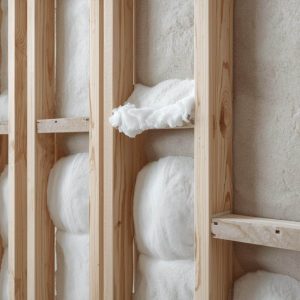
Documentation determines the outcome 
more than coverage

Evidence shapes the entire claim.

What gets documented drives the settlement

Incomplete photos, notes, or measurements lead to incomplete outcomes.

Accurate documentation removes guesswork

Clear records tie repair requirements directly to policy language.

Strong evidence forces alignment

When documentation is solid, scope, pricing, and coverage follow.

Next steps for your property

Homes and commercial buildings take damage differently, and the claims follow different rules. Both start with accurate documentation, but the next steps depend on how the property is built, used, and insured.

  • Home Owners

    Residential

A straightforward path that shows what’s damaged, how the policy applies, and what proper repairs require. Clear explanations and a process built to remove confusion before decisions are made.

  • Business Owners & 
Property Managers

    Commercial

Contractors navigating insurance scopes that do not reflect real repair requirements.

Still unsure how your situation fits?

Submit your documents and we will review them with clear next steps.