When property damage occurs, many homeowners and business owners feel overwhelmed by the insurance claim process. Policies are contracts filled with nuanced language, deductibles, exclusions, and conditions that can make claims confusing and frustrating. Understanding how advanced documentation and claim presentation work can make the difference between a smooth resolution and a prolonged battle.
Property claims are not just about telling your insurance company what happened. They are about presenting your case clearly, backed by evidence and a firm grasp of policy language. At Vector Claim Solutions, we help policyholders navigate this process with confidence, structure, and clarity.
What Is a Property Insurance Claim?
A property insurance claim is a formal request by a policyholder to their insurance company for compensation after a covered loss. This loss may come from storm damage, fire, wind, water intrusion, theft, or another covered peril. However, just recognizing that damage has occurred isn’t enough. The policyholder must prove the loss and present it in a manner consistent with contractual language.
Every insurance policy has requirements for documenting and submitting claims. A simple photo or verbal report often isn’t sufficient to get full coverage of damage. That’s where professional claim support becomes important.
Why Documentation Matters in Property Claims
Detailed documentation is the foundation of any successful insurance claim.
Insurance companies evaluate claims based on the evidence presented. If damage is poorly documented or missing context, the carrier may deny coverage or offer a settlement that doesn’t fully represent the loss’s scope. A thorough claim includes:
- Clear, dated photos of all damaged areas
- Measurement and scale indicators for roof or structural damage
- Inspection notes and contractor assessments
- Documentation of code or compliance impacts
- Policy language tied to the identified damage
Documentation is what separates a rough estimate from a complete claim presentation. Without it, carriers typically default to protecting their own interests rather than maximizing compensation for the policyholder.
The Difference Between Public Adjusters and Insurance Company Adjusters
One of the biggest misunderstandings in property insurance claims is who represents whom.
- Insurance company adjusters work for the insurer. Their role is to protect their employer’s bottom line.
- Public adjusters work exclusively for you, the policyholder. They evaluate damage, interpret your policy, document loss thoroughly, and negotiate with the carrier on your behalf.
Insurance policies place the burden of proof on the policyholder. That means unless you can demonstrate the extent of your loss through documentation, coverage language, and contractual presentation, the insurance company may not fully compensate the claim.
Common Pitfalls in Roof and Property Damage Claims
Roof claims and structural property claims often underperform because of issues like:
- Estimating based on surface damage only, missing underlying issues.
- Confusing wear and tear with covered perils, which can lead to claim denials.
- Partial approvals that do not reflect full system needs.
- Poor documentation timing, such as waiting too long to capture evidence.
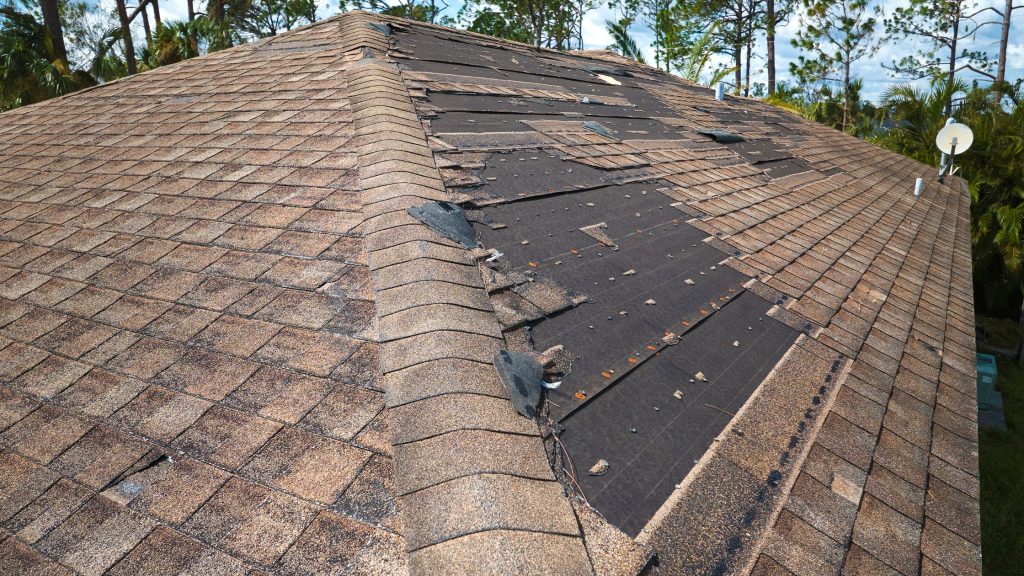
For example, a roof may show visible granule loss after a storm, but internal decking damage or uplift may go unnoticed without a professional evaluation. Capturing the full picture requires both photographic and technical documentation that aligns with how policies define covered perils.
How a Professional Claim Review Helps
A professional claim review brings structure and strategy to your insurance process. Rather than accepting the first estimate or carrier explanation, a review will:
- Interpret your policy’s language to understand your coverage.
- Document all damage systematically, including underlying and secondary issues.
- Prepare accurate line-item estimates that reflect actual repair or replacement costs.
- Present the claim in a professional format consistent with your policy contract.
This holistic approach reduces unnecessary disputes and helps avoid delays that often occur when documentation is incomplete or unsupported.
When Should You Hire a Public Adjuster?
Many policyholders wonder if they need professional assistance. While you can file a claim on your own, there are several scenarios when a public adjuster is especially valuable:
- Your claim involves a large or complex loss.
- The carrier’s first settlement offer seems incomplete or low.
- You receive a partial payment or a denial.
- You are uncertain about your policy coverage or how to document your damage.
Public adjusters also bring experience in negotiating with insurance companies and understanding the nuances of each policy type.
Maximizing Your Insurance Claim Outcome
The ultimate aim of any insurance claim is to get a fair result under your policy. Maximizing that outcome requires:
- Early and complete documentation
- Policy-aligned claim presentation
- Experienced interpretation of coverage conditions
- Professional negotiation when applicable
Vector Claim Solutions focuses on these core pillars to give policyholders clarity and confidence during what is often a stressful time.