Make the Right Call on Your Storm-Damaged Roof
Roof repair vs roof replacement insurance decisions can shape what happens to your home or building after a big storm. A wrong call can leave you with a patchwork roof, hidden damage, and large out-of-pocket expenses that could have been covered. That is why it helps to understand how insurance carriers think about your roof and what your policy actually says.
At Vector Claim Solutions, we work with homeowners, commercial owners, and contractors to document, negotiate, and resolve roof claims across multiple states. We see the same patterns repeat after hail, wind, and heavy rain. In this article, we will walk through how carriers decide on repair vs replacement, what policy language matters most, warning signs your roof needs more than a quick fix, how strong documentation changes the claim, and when bringing in a public adjuster can protect your long-term interests.
How Insurance Carriers Decide Repair vs Replacement
Insurance companies look at your storm-damaged roof through a simple lens: restore the property to its pre-loss condition at the lowest reasonable cost. If they think a few repairs can get the roof “back to normal,” they will usually start there. That often means an adjuster writing a small repair estimate even after a serious storm.
Carriers often justify a repairs-only position by arguing the damage is “cosmetic only” rather than “functional,” that only a few shingles or tiles appear affected, that the roof was already old or worn out before the storm, or that matching materials are “close enough” (or that exact matches are not available).
Several practical factors also influence whether the carrier leans toward repair or replacement. These include the type of damage involved (hail, wind, fallen debris, or fire), the roof’s age and material (asphalt shingles, tile, metal, or flat systems), local building codes and how strictly they are enforced, and any safety concerns such as weakened decking or loose materials.
It is rarely a good idea to accept an initial “repair only” position without slowing down and getting a real look at the roof. Hidden or latent damage often does not show from the ground. Bringing in qualified roofing experts and reviewing your policy with a professional can reveal issues that support a more complete fix.
Policy Language That Impacts Roof Repair vs Replacement
Your policy is the rulebook for your claim. The same storm can lead to very different outcomes based on a few key lines of text. The first big concept is Replacement Cost Value, often called RCV, versus Actual Cash Value, or ACV.
In simple terms:
- RCV aims to pay what it costs to replace damaged property with new materials of similar kind and quality
- ACV usually means RCV minus depreciation for age and condition
- Your deductible is what you must pay out of pocket before coverage applies
Beyond valuation, roof-specific clauses can shrink or expand what is covered. Policies may include cosmetic damage exclusions that try to limit payment for dents or surface marks, matching limitations that restrict coverage for full slopes or entire elevations, endorsements that change coverage for wind or hail damage, or age-based limits that reduce or exclude full replacement for older roofs.
Ordinance or law coverage is also important because local building codes can require more work than the carrier initially allows. For example:
- Replacing full slopes, not just small patches
- Upgrading underlayment or ice and water shield
- Improving ventilation or flashing details
When codes demand more work than the carrier first allows, that can push a “repair only” claim toward full replacement. Before storm season ramps up, it helps to gather your full policy, declarations page, and endorsements, and learn what your roof coverage really includes.
Warning Signs Your Roof Needs More Than a Patch
Some roofs clearly need more than a quick repair, even if an adjuster suggests otherwise. Visible signs include:
- Widespread shingle bruising, cracks, or heavy granule loss from hail
- Multiple lifted, creased, or missing shingles from wind
- Broken, slipped, or missing tiles on tile roofs
- Compromised seams, blisters, or punctures on flat roof systems
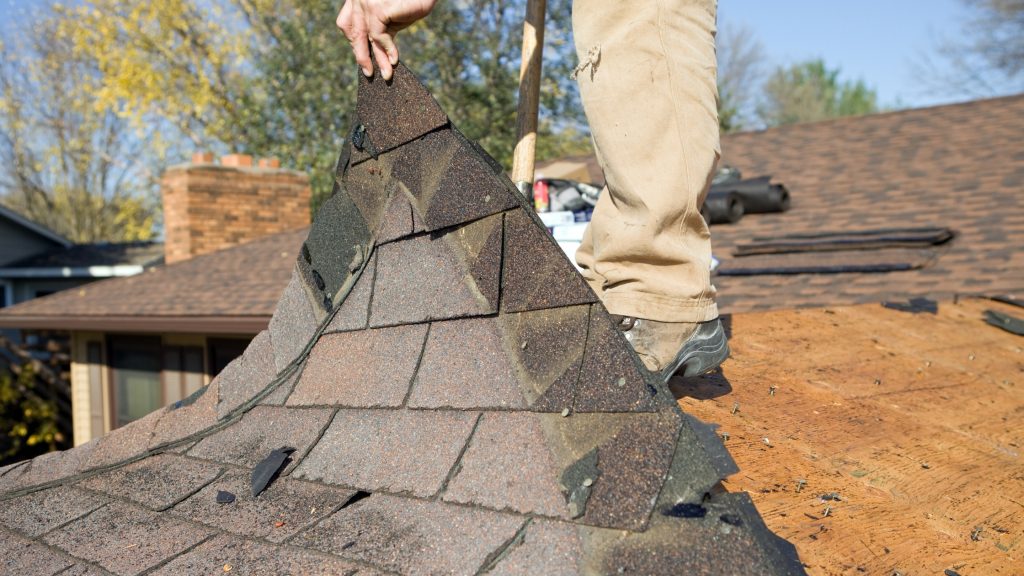
Other problems are easier to miss, especially from the ground. Damage can exist beneath the surface, such as torn underlayment beneath shingles or tiles, saturated insulation or wet materials inside the roof system, hidden leaks into decking, trusses, or interior framing, or failing fasteners, rusted nails, and loose flashing around key areas.
Even if the surface looks “mostly fine,” things like mismatched shingles, discontinued materials, and partial slope repairs can hurt both roof performance and appearance. That can affect resale value and may fall short of returning the property to its pre-loss condition.
Professional documentation is key here, including:
- Detailed photos from all slopes and elevations
- Slope-by-slope inspections and diagrams
- Core samples or test cuts on commercial roofs
- Written reports from roofing contractors or engineers
Negotiating Roof Claims with Strong Documentation
When a claim is well documented, the conversation often shifts from “minimal repair” to “what does this roof truly need to perform like it did before the storm?” Facts and clear visuals carry weight. A solid documentation package will usually include:
- Proof of date and cause of loss, such as weather reports or event notes
- Thorough inspection findings with photos and measurements
- Contractor or engineer estimates that explain scope and methods
- Code citations that show required materials or construction steps
- Proof of prior roof condition like photos, maintenance records, or invoices
As public adjusters, we organize this evidence so it ties directly to your policy language and local building codes. We look for gaps in the carrier’s inspection, such as missed slopes, ignored accessories, or no attic inspection. Then we present a structured argument that explains why repair alone would not return the roof to its pre-loss state.
Common push-points in roof claim negotiations include:
- Line-item estimates versus vague lump sum numbers
- Disagreements on roof measurements, number of squares, or slopes
- How many layers must be removed and replaced
- Supplemental claims for items missed on the first inspection
- Time limits for reopening or appealing a prior claim decision
When to Call a Public Adjuster for Roof Claims
Not every small leak needs a public adjuster, but there are clear red flags that suggest it is time to get help. For example:
- You get a low “repair only” estimate after a major wind or hail event
- Your claim is delayed, underpaid, or denied more than once
- Your contractor’s findings do not match the insurer’s scope of work
- You own or manage a complex commercial roof system
At Vector Claim Solutions, we work with both property owners and their contractors to keep everyone on the same page. That means comparing carrier estimates with contractor inspections, aligning scopes, and presenting a clear, united position on whether repair or replacement is appropriate. Our multi-state experience helps us understand different building codes, carrier habits, and storm patterns in each region we serve.
Public adjusters are usually paid on a contingency basis in many states, which means payment is tied to the claim outcome, subject to local rules. Getting us involved early often leads to stronger documentation from the start, fewer missed items, and a process that feels more controlled and less confusing.
Secure a Fair Roof Outcome Before the Next Storm Hits
Roof repair vs roof replacement insurance decisions have long-term effects on protection, property value, and how much you pay out of pocket. A quick patch might feel easier in the moment, but if it leaves hidden damage or shortens the life of your roof, it can cost more in the long run.
A simple action plan looks like this:
- Review your policy and endorsements before big storms arrive
- Take clear photos of your current roof condition while it is dry and undamaged
- After any serious storm, get a professional inspection, not just a glance from the yard
- Compare the insurance scope to expert findings before accepting “repair only”
- Ask questions until you understand what is covered and why
Having an experienced public adjusting team like Vector Claim Solutions in your corner can make a real difference when it is time to prove what your roof truly needs. With the right information, clear documentation, and strong support, you can move toward a fair claim resolution and a roof that is ready for whatever the next storm brings.
Protect Your Roof And Maximize Your Insurance Payout
When your roof is damaged, choosing between repair and replacement can significantly impact what your policy will actually cover. At Vector Claim Solutions, we carefully review your policy, documentation, and inspection reports to help you navigate roof repair vs. roof replacement insurance decisions with confidence. If you are ready for claim support tailored to your situation, contact us so we can help you pursue the coverage you are entitled to.