
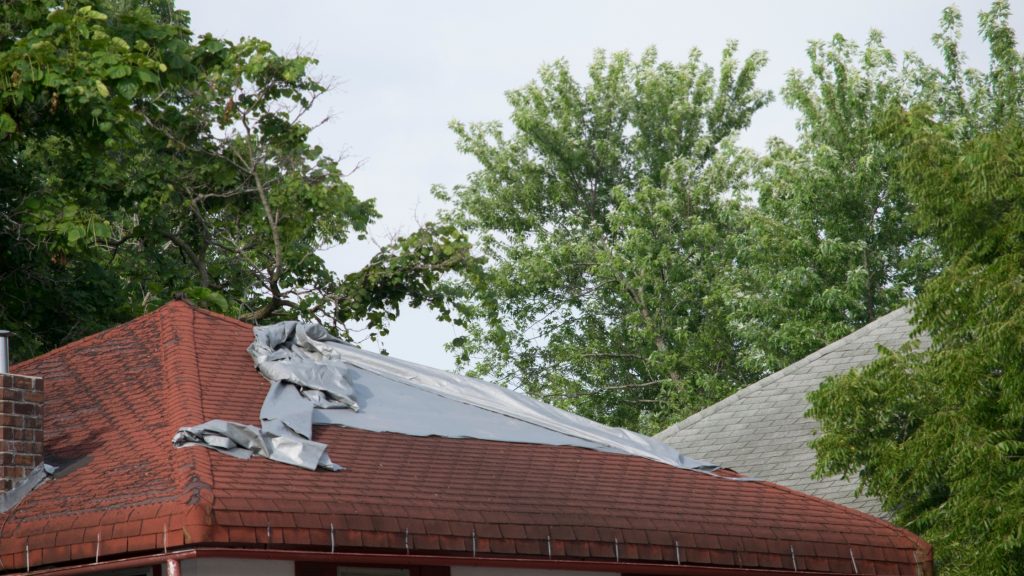
Missed Damage Today Can Become Tomorrow’s Disaster
When a storm hits and an insurance adjuster walks your property, it can feel like a huge weight is lifted. Someone has finally looked at the damage, written an estimate, and you are told the claim is “handled.” Then the next heavy rain comes and you see a new stain on the ceiling, a crack along a wall, or you smell that damp, musty odor that was not there before. That sinking feeling is very real.
It is more common than people think for an insurance adjuster to miss damage. Hidden roof damage, trapped water behind walls, problems in attics or crawl spaces, or issues with electrical or HVAC systems are easy to overlook during a quick visit. When an insurance adjuster misses damage during that first inspection, it can cost you money, stretch repairs out for months, and leave your home or business exposed as storms keep rolling through. That is where a claim team focused on detailed, evidence-based preparation can help uncover what was missed and work to correct an under-scoped or delayed payout.
Why Insurance Adjusters Miss Damage in the First Place
After major weather, company adjusters often face a long list of inspections every single day. They may only have a short window at each property. In that rush, the focus tends to fall on what is obvious: missing shingles, broken glass, soaked carpet, fallen tree limbs. The less obvious issues, like slight dips in a roof system or hairline cracks in masonry, can be skipped.
There are other limits too:
• Time pressure and heavy workloads after big storms
• Strict internal guidelines on what they can include
• A focus on quick, surface-level inspections
Not every adjuster has advanced tools or specialized training for every building type. Without moisture meters, thermal imaging, or roofing expertise, it is harder to see water behind drywall, slow leaks around penetrations, or damage to commercial roof assemblies. Multi-family buildings, older homes, and large commercial sites have complex systems where problems can hide in:
• Attics and insulation
• Crawl spaces and subfloors
• Siding and window systems
• Electrical panels and HVAC equipment
A careful, methodical inspection takes time and a plan. When that does not happen, important damage can be left off the original estimate.
The Real-World Cost When Damage Gets Overlooked
Missed damage rarely stays small. A tiny roof opening that was not listed in the claim can let water in with every storm. At first it may be a faint stain. Later it can become rotten decking, warped framing, or mold inside walls. What could have been a focused repair soon grows into a much bigger project.
That growth brings real costs:
• More materials and labor to tear out and rebuild
• Extra trades like mold remediation or electrical work
• Long delays while new damage is inspected and argued
For families, that can mean living with tarps, fans, or blocked-off rooms. For businesses, overlooked damage can cut into operations. Repeat contractor visits, noisy repairs during business hours, and sections of property shut down in the busiest months can affect customer experience and revenue.
There is also the insurance side. When too much time passes, carriers may argue that the new damage is not from the original storm but from lack of maintenance or normal wear and tear. That can lead to:
• Disputes over what is covered by the policy
• Partial denials on added repairs
• Lower payouts than what is needed to fix everything
Catching missed damage early makes it easier to show that it is part of the same loss event and belongs in the same claim.
How to Tell If Your Adjuster’s Estimate Is Too Low
You do not need to be a construction expert to sense that something is off. Often, the paperwork tells the story. Warning signs in an estimate include:
• The total feels far below contractor bids
• Items marked as “repair” where the damage seems widespread
• No allowance for code-required upgrades
• Missing related trades, like painting, electrical, or HVAC
On site, your property can also send signals that the insurance adjuster missed damage. Watch for:
• New or growing ceiling or wall stains after “repairs”
• Musty or damp odors that do not go away
• Cracking drywall or doors that start to stick
• Soft, spongy, or sagging areas on decks or roofs
• Any ongoing leaks during later storms
If any of this sounds familiar, a second opinion is smart. Comparing the insurer’s estimate to detailed scopes from qualified contractors or a public adjusting firm can reveal gaps. Often that second look finds additional covered damage that should be added as a supplement to the claim.
How a Public Adjuster Finds What Others Overlook
A key difference with a public adjuster is how we approach the inspection. Instead of a quick walk-through, we aim for a full, evidence-based view. That usually means:
• Room-by-room and system-by-system reviews
• Roof, exterior, attic, and interior checks
• Detailed photos, measurements, and notes
• Independent reports when needed
We focus on how the loss event actually affected the property, not just what is easy to see from the driveway. Then we match the claim scope to what qualified contractors say is required to restore the property. That includes:
• Labor and materials for full and proper repairs
• Code compliance and safety requirements
• Proper sequencing of trades so work is done in the right order
When an insurance adjuster misses damage, the next step is building a clear, documented case. We gather supplements, add missing line items, and present everything back to the carrier. The goal is to correct under-scoped estimates and work through disputes so legitimate, previously overlooked damage is recognized and added to the claim.
Step-by-Step Actions If You Suspect Missed Damage
If you think part of your loss was overlooked, the first thing to do is start documenting. Do not wait for it to “get worse.” Make a record now:
• Take clear photos and videos of every problem area
• Save receipts and invoices for any repairs or temporary fixes
• Keep copies of weather reports for the original loss date
• Write down when you first noticed any new or spreading issues
Next, get qualified eyes on the property. That usually means bringing in reputable contractors and a licensed public adjusting firm for detailed, written scopes of work. Those scopes should explain what needs repair or replacement and why, including the areas that were not on the original insurance estimate.
From there, you may need to request a reinspection or file a supplemental claim. It is important to stay aware of policy deadlines, such as proof-of-loss dates or time limits for re-opening a claim. Avoid signing any final release or “full and final” settlement before you are confident that all covered damage has been identified, documented, and properly paid.
Protect Your Property and Correct an Incomplete Claim
Hidden or missed damage rarely fixes itself. As storms keep coming, small problems grow, moisture spreads, and what could have been a manageable repair can become a major disruption. Acting early helps protect your property, your budget, and your peace of mind.
At Vector Claim Solutions, we focus on evidence-based claim preparation for residential and commercial policyholders and their contractors. Our team works across multiple states to document, negotiate, and resolve property claims that were under-scoped, delayed, or disputed after an insurance adjuster missed damage. By slowing down, inspecting carefully, and building strong documentation, we help policyholders move from uncertainty to a clear plan for getting their property back on track.
Take Control Of Your Claim And Protect Your Payout
If you suspect the insurance adjuster missed damage on your property, our team at Vector Claim Solutions is ready to take a closer look. We carefully review your estimate, photos, and policy to identify overlooked items that could significantly increase your settlement. Let us walk you through your options and outline a clear plan to move forward. If you are ready to talk with a specialist, please contact us today.